The Reality of the Gentle Leader
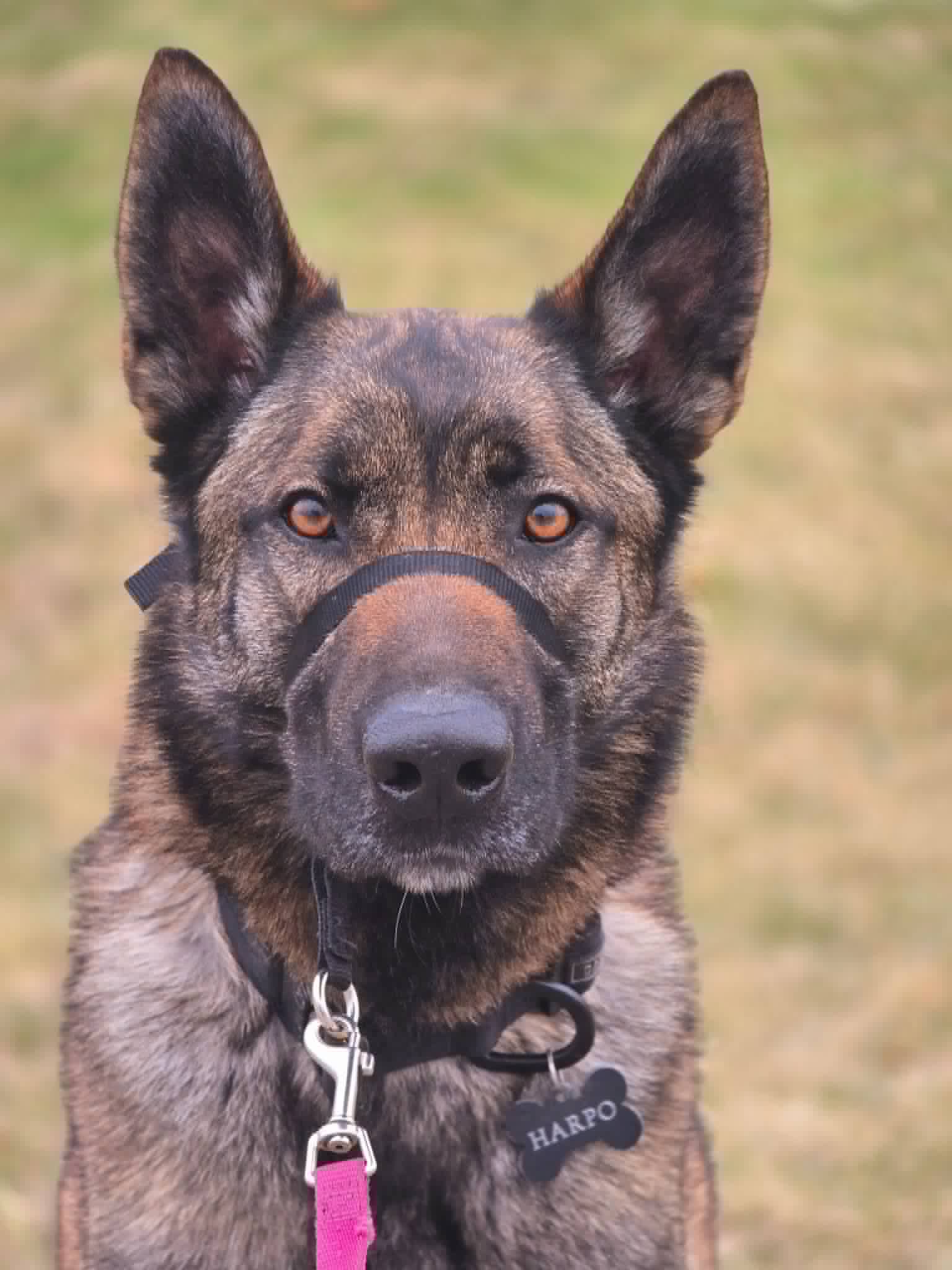
Walking a dog that pulls can turn a peaceful stroll into a stressful tug-of-war. Finding a tool that balances safety, control, and real behaviour change is a top priority for both pet parents and professionals.
Over my years of working with and training dogs, I have found one tool that consistently gets the job done. I have spent years using and recommending the Gentle Leader Headcollar because it provides clear communication and helps achieve a relaxed, loose-leash walk.
Through my years of experience, I have learned what dog owners truly want from training. They aren’t necessarily looking for a “quick fix” that cuts corners, but they do want easy. They want a process that is straightforward, makes sense, and easily fits into a busy lifestyle. At the end of the day, owners just want to enjoy life with their dogs. If there is a solution we can provide that is easy, safe, effective, and makes owners happy, we are absolutely going to share it. When mixed with positive reinforcement, the Gentle Leader serves as that exact solution. It bridges the gap between walking frustration and a happy, cooperative dog.
Why Is It Called the “Gentle” Leader?
There is a reason the inventors chose the word “Gentle”—because when used correctly, that is exactly what it is.
The biggest reason some people are against using headcollars is simply a lack of education beforehand. When owners don’t know what to expect, they put the halter on, the dog naturally fights against it, and the owner panics, thinking they are hurting their pet.
This is absolutely not the case. The dog isn’t in pain; they are just experiencing a brand-new sensation on their face and trying to get it off.
The key to overcoming this is your technique: as the owner, you must keep a loose leash the entire time until your dog relaxes and gets comfortable.
Furthermore, unlike a muzzle, the Gentle Leader is completely non-restrictive. When fitted properly, your dog can do absolutely everything they normally do—they can eat treats, drink water, pant to cool down, bark, and carry their favourite toy. It only puts pressure on the nose when the dog actively chooses to pull.
The History and Expert Approval
The Gentle Leader was co-invented in 1985 by Dr. R.K. Anderson, a well-known veterinary behaviourist, and Ruth Foster, a past president of the National Association of Dog Obedience Instructors (NADOI). They created it as a kind, gentle alternative to the choke chains and harsh training methods used at the time. The design was based entirely on how a dog’s body naturally moves.
Since it came out, the headcollar has been widely used by service dog groups, vets, and positive-reinforcement trainers around the world. Famous dog expert Dr. Ian Dunbar has used head halters in his training programs for decades.
To this day, world-renowned positive reinforcement experts—like Jean Donaldson (founder of the Academy for Dog Trainers) and the late Dr. Sophia Yin—have heavily featured and recommended headcollars as a safe way to manage a dog’s real-world strength while teaching them using rewards. They remain a staple tool in modern, force-free training because they allow an owner to manage a powerful or reactive dog without relying on pain or fear.
Unchanged Since 2009 (Because It Just Works!)
If you look at a Gentle Leader today, you will notice something interesting: it looks exactly the same as it did when I was first introduced to it back in 2009. In a world where pet products are constantly redesigned just to look trendy, the Gentle Leader hasn’t changed. Why? Simply because it works.
When a design perfectly blends physics, canine anatomy, and gentle communication, there is no need to change it. It is a time-tested design that does exactly what it was built to do.
How It Works: The Power of Self-Correction
The best part about the Gentle Leader is that the dog doing the pulling actually teaches themselves to stop.
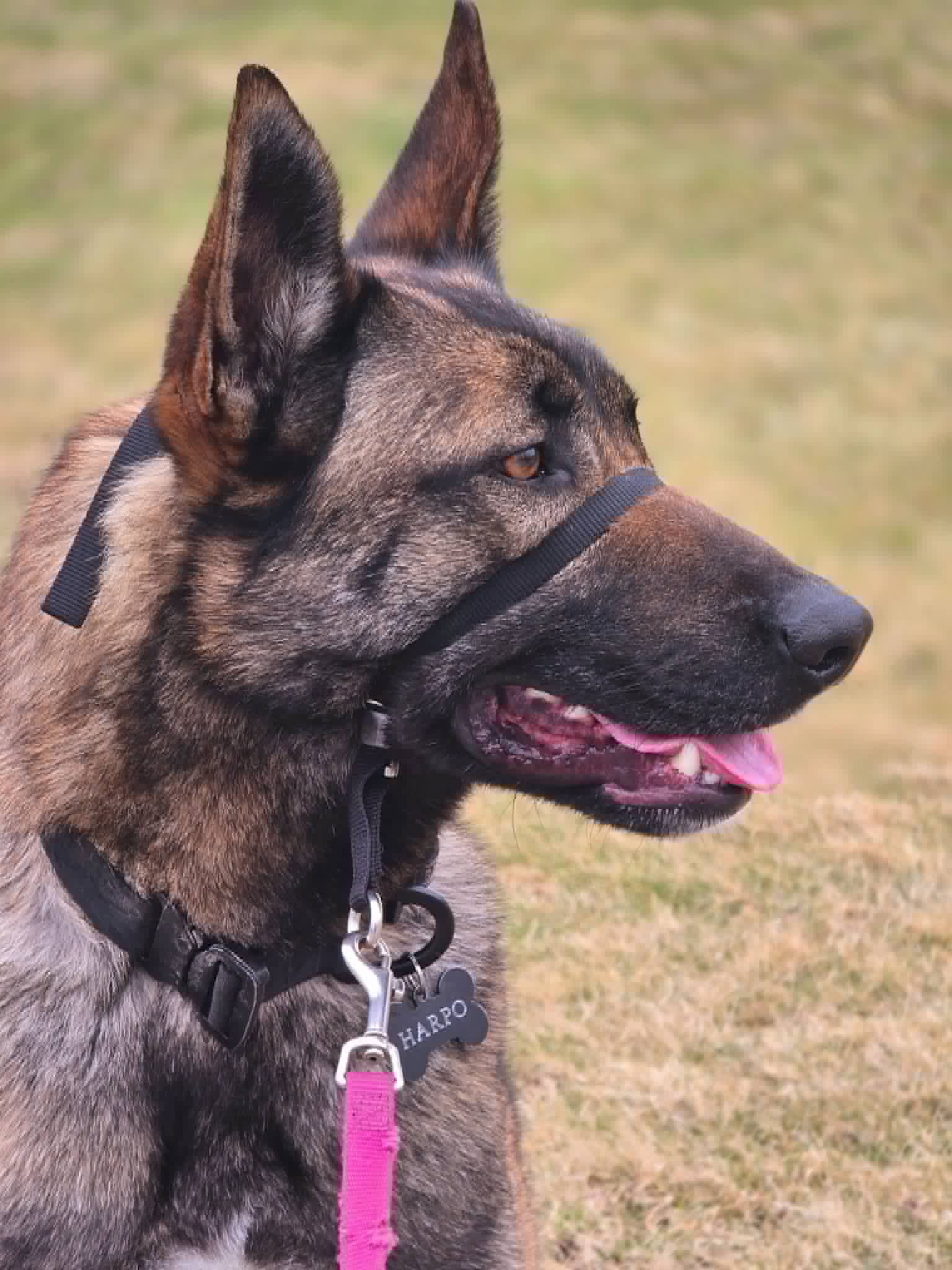
When a dog wears a regular collar or harness and pulls forward, their natural instinct is to push back and pull even harder against that pressure (just like a sled dog). The Gentle Leader stops this reflex completely by using basic leverage. Because the leash hooks underneath the jaw, you control the walk from the front of the dog’s head rather than their body.
When a dog pulls, the nose loop gently turns their head back toward you and away from whatever they were trying to run toward. Because dogs are highly goal-oriented, they quickly figure out the cause-and-effect:
For the owner, this fulfils the goal of keeping training “easy” because your job becomes beautifully simple: just maintain a loose leash. You do not need to jerk, yank, or pop the leash. You simply hold your ground, let the tool guide their head, and immediately reward your dog with a treat or praise the second the leash goes slack and they look at you.
The Risks of Using Training Tools Incorrectly
A fundamental truth of dog training is that any tool—whether it is a flat collar, a harness, or a headcollar—can be dangerous if it isn’t used the right way.
A Few Things to Keep in Mind
While the Gentle Leader is highly effective, it isn’t magic, and there are a few practical downsides to expect:
Just a few of our Gentle Leader models
Real dogs, real clients, real results — spotted around the retreat and out on their walks.
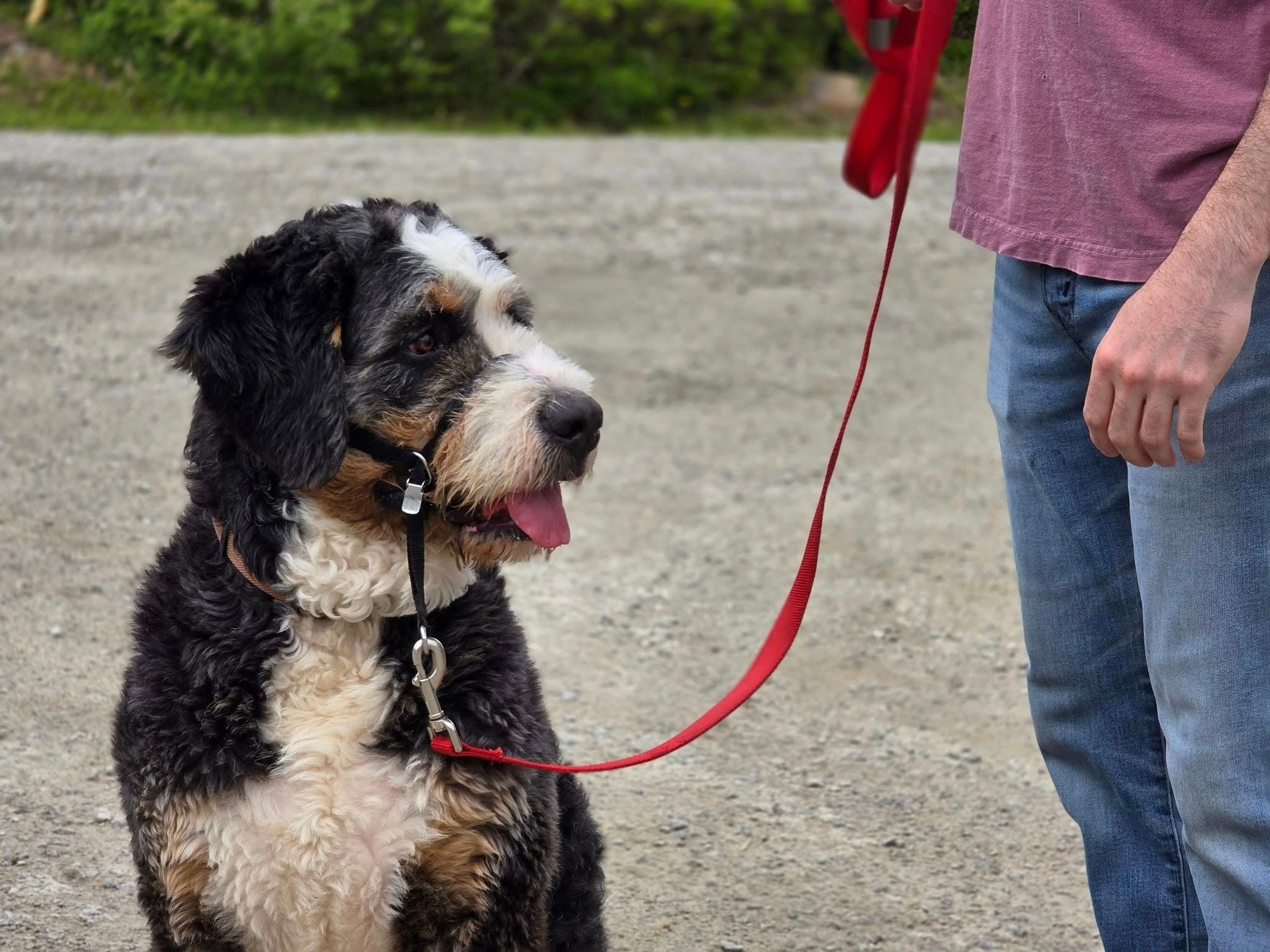
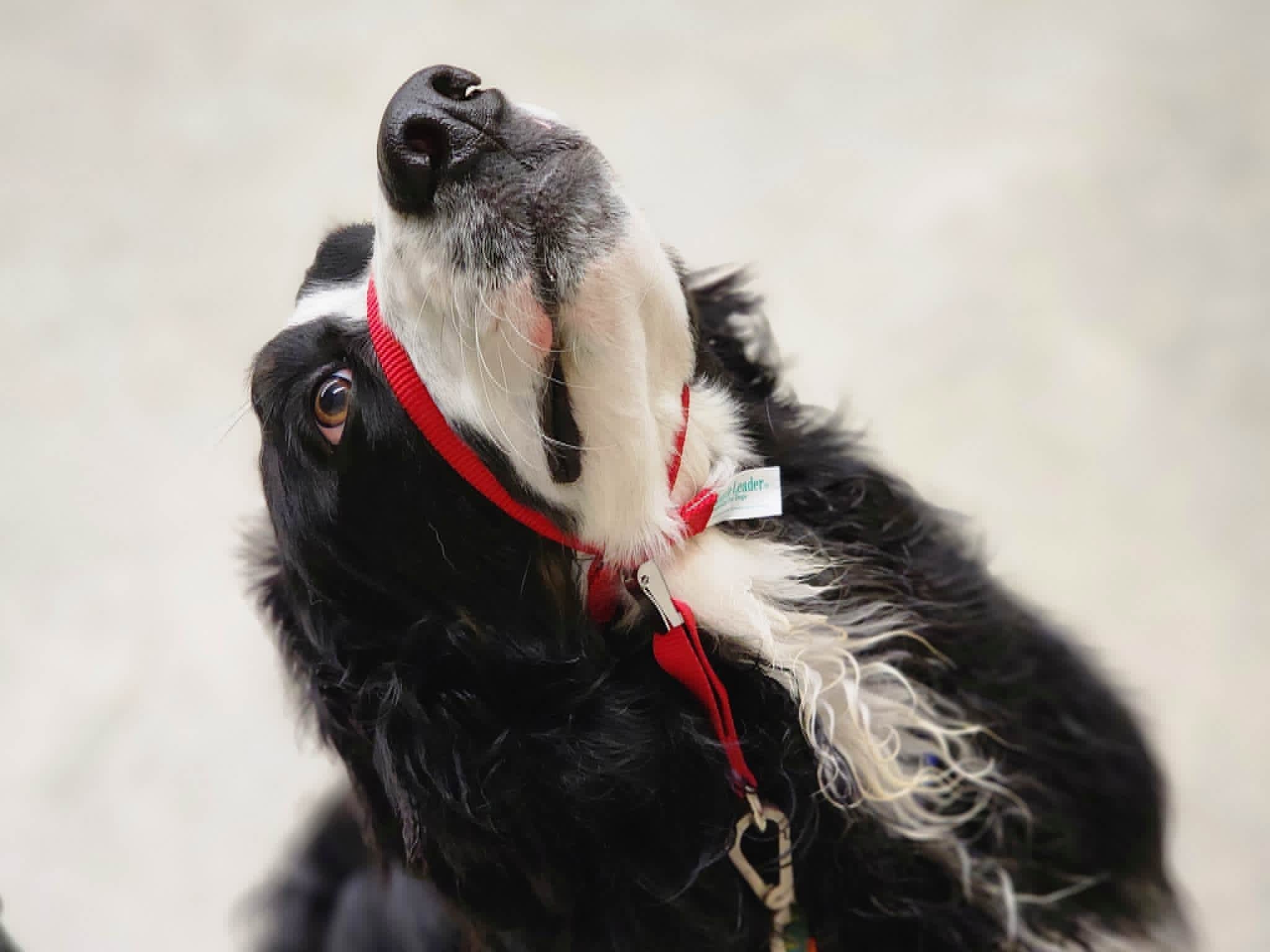
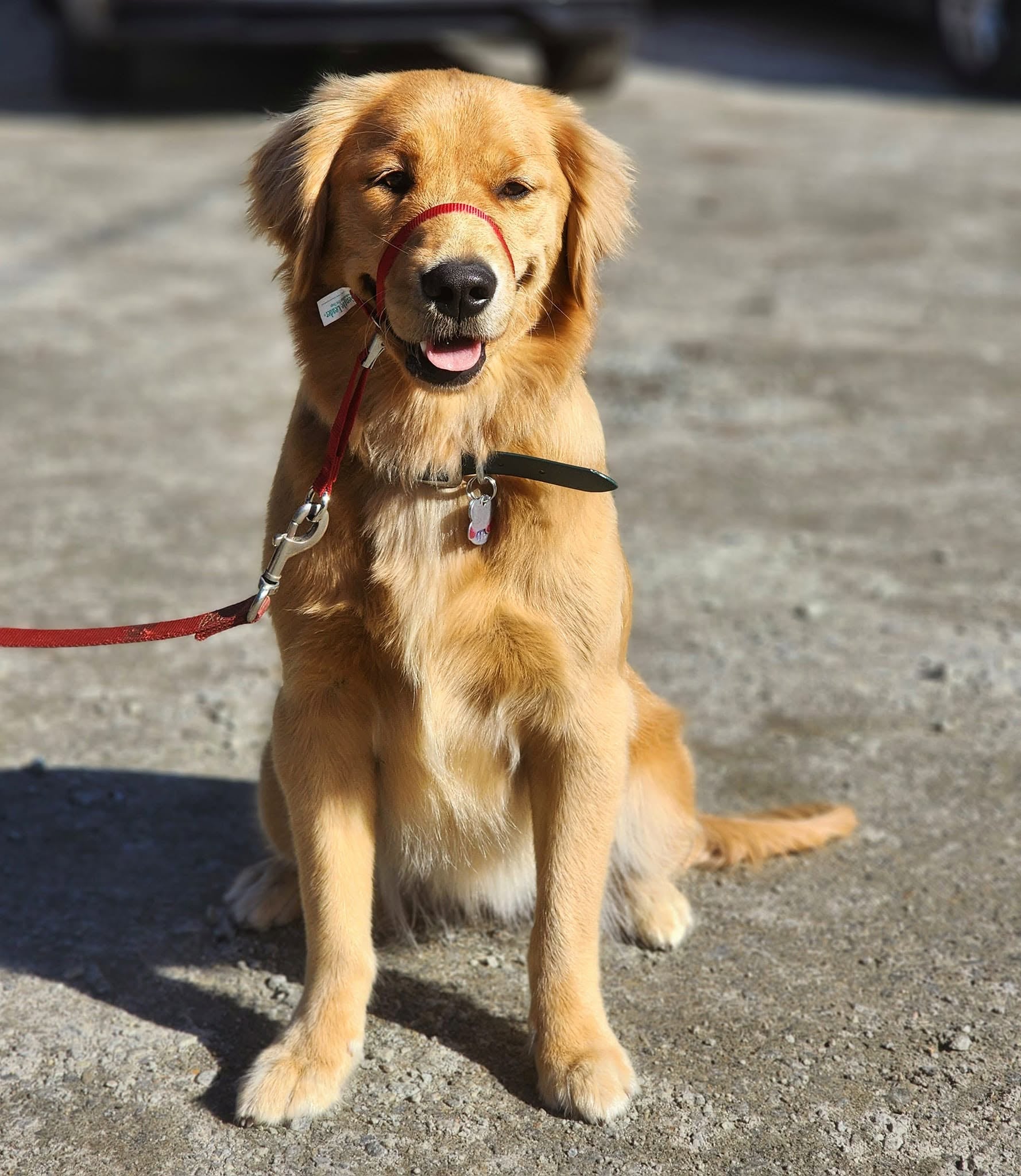
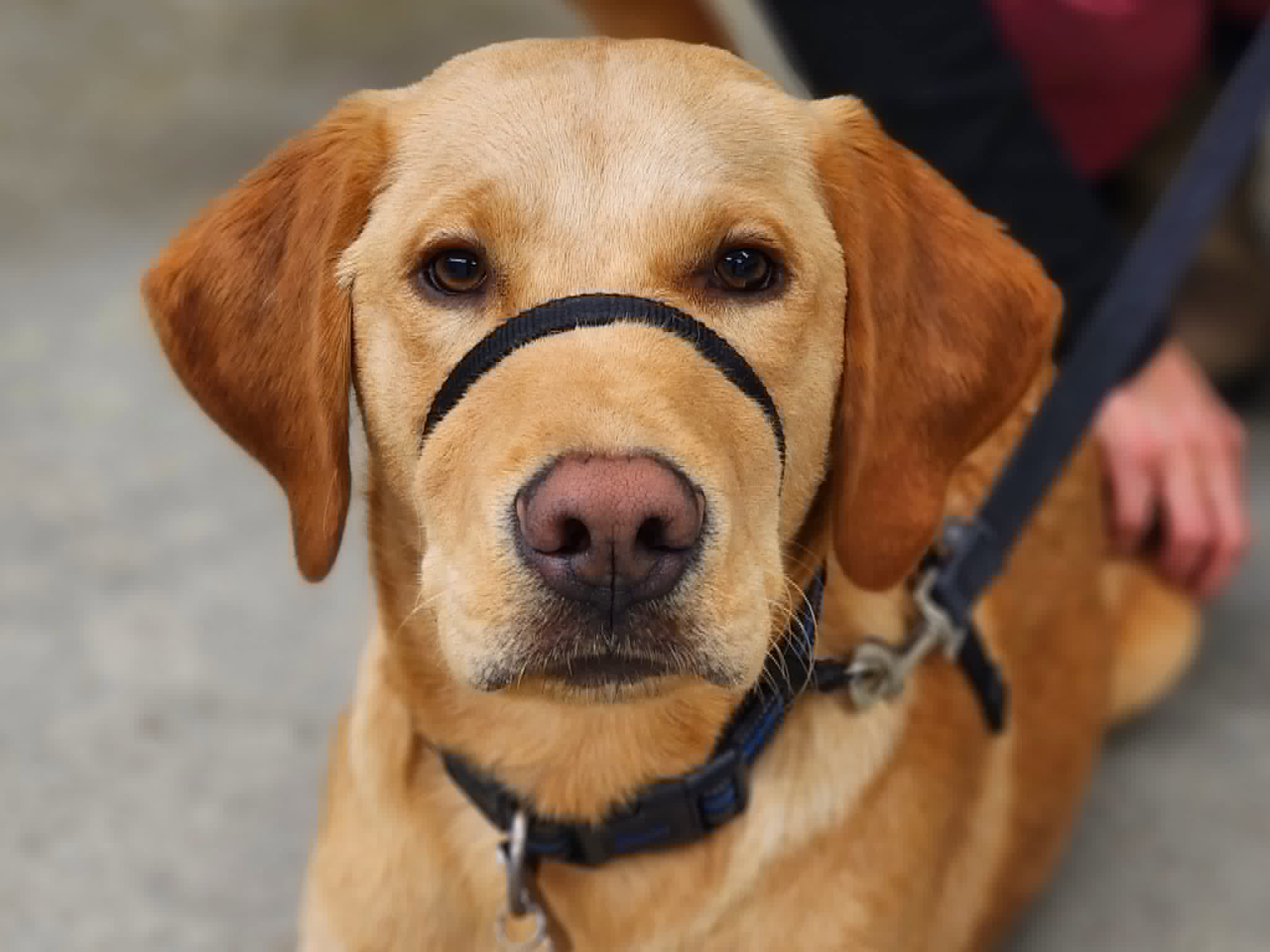
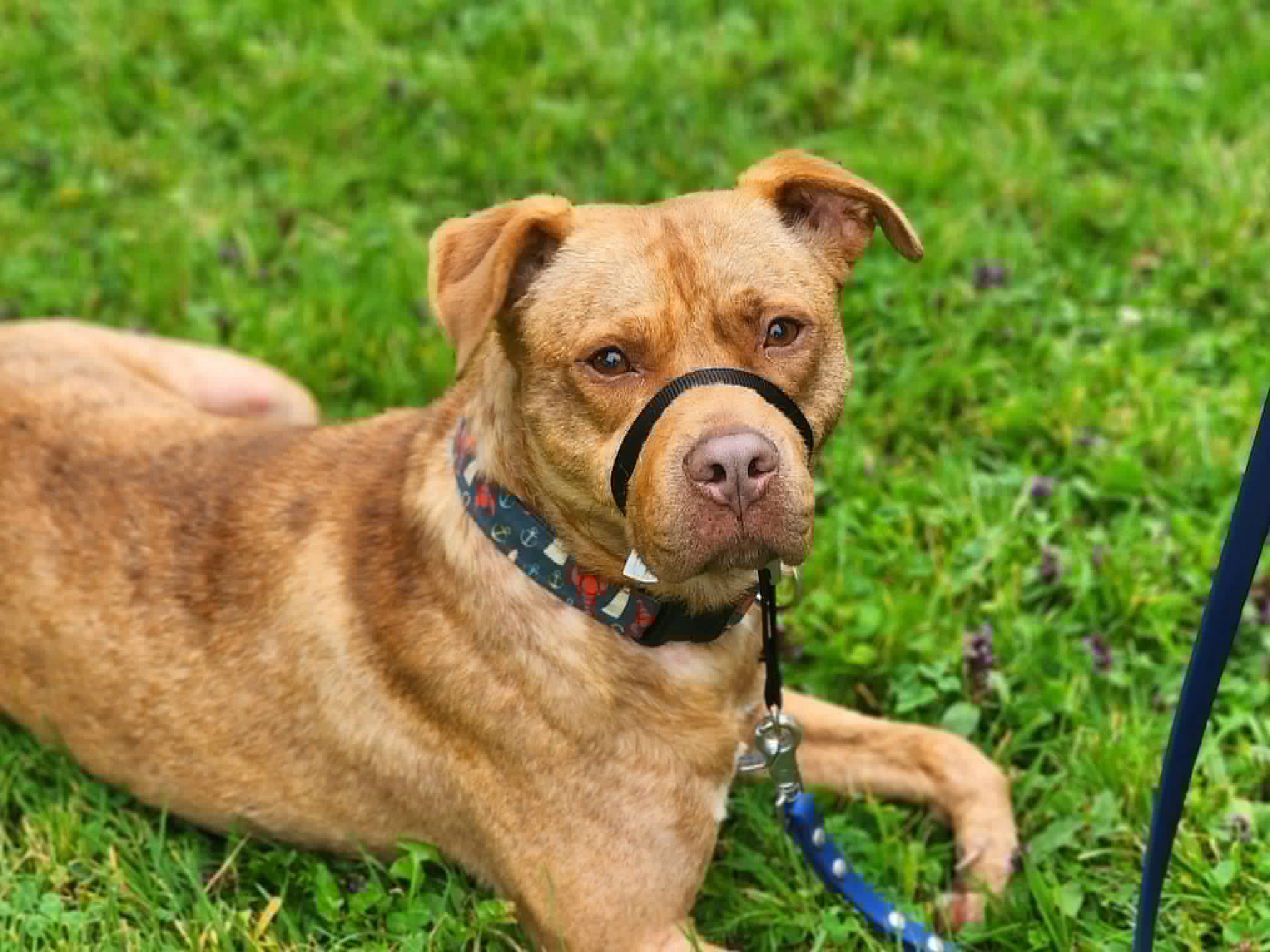
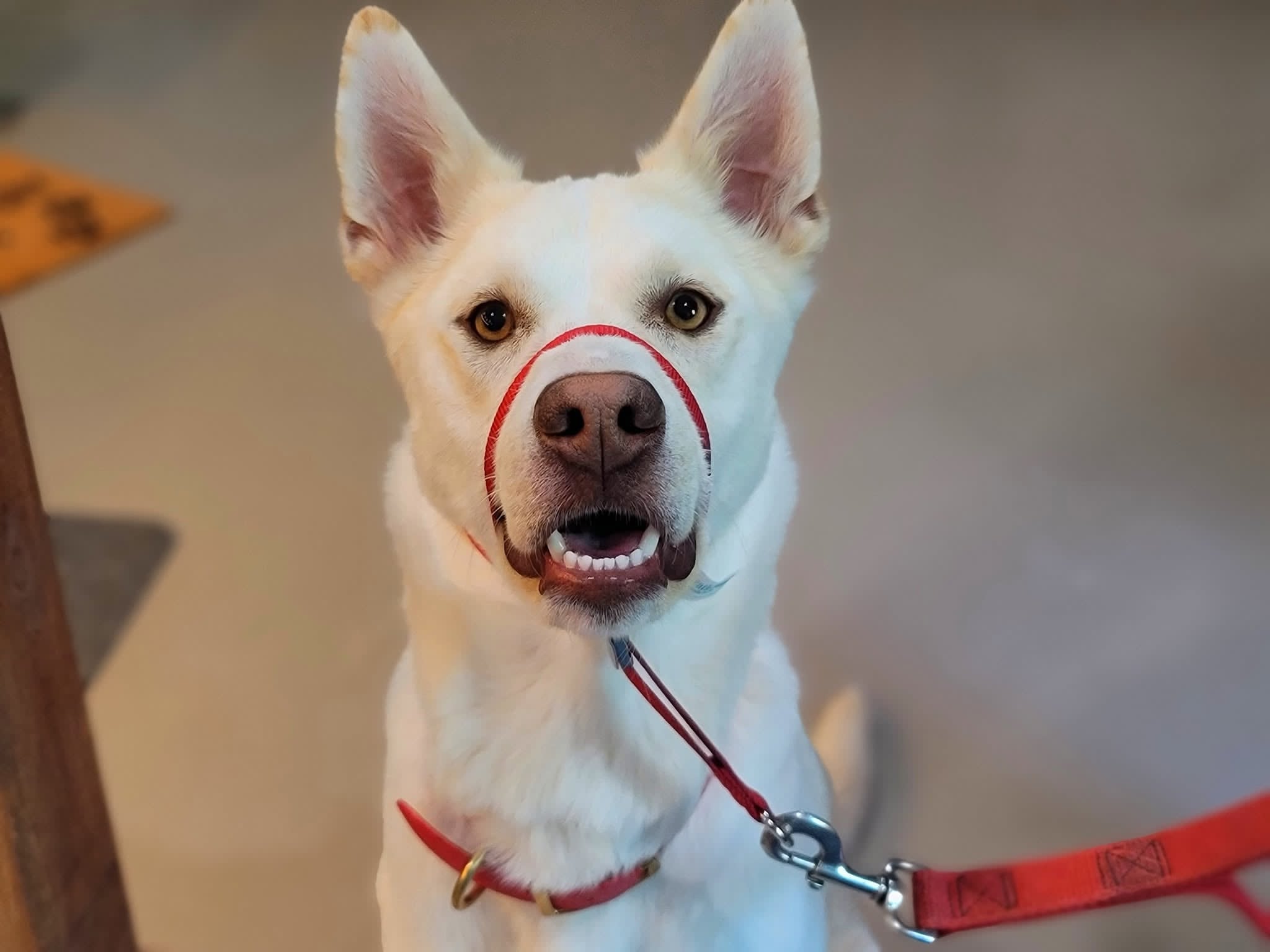
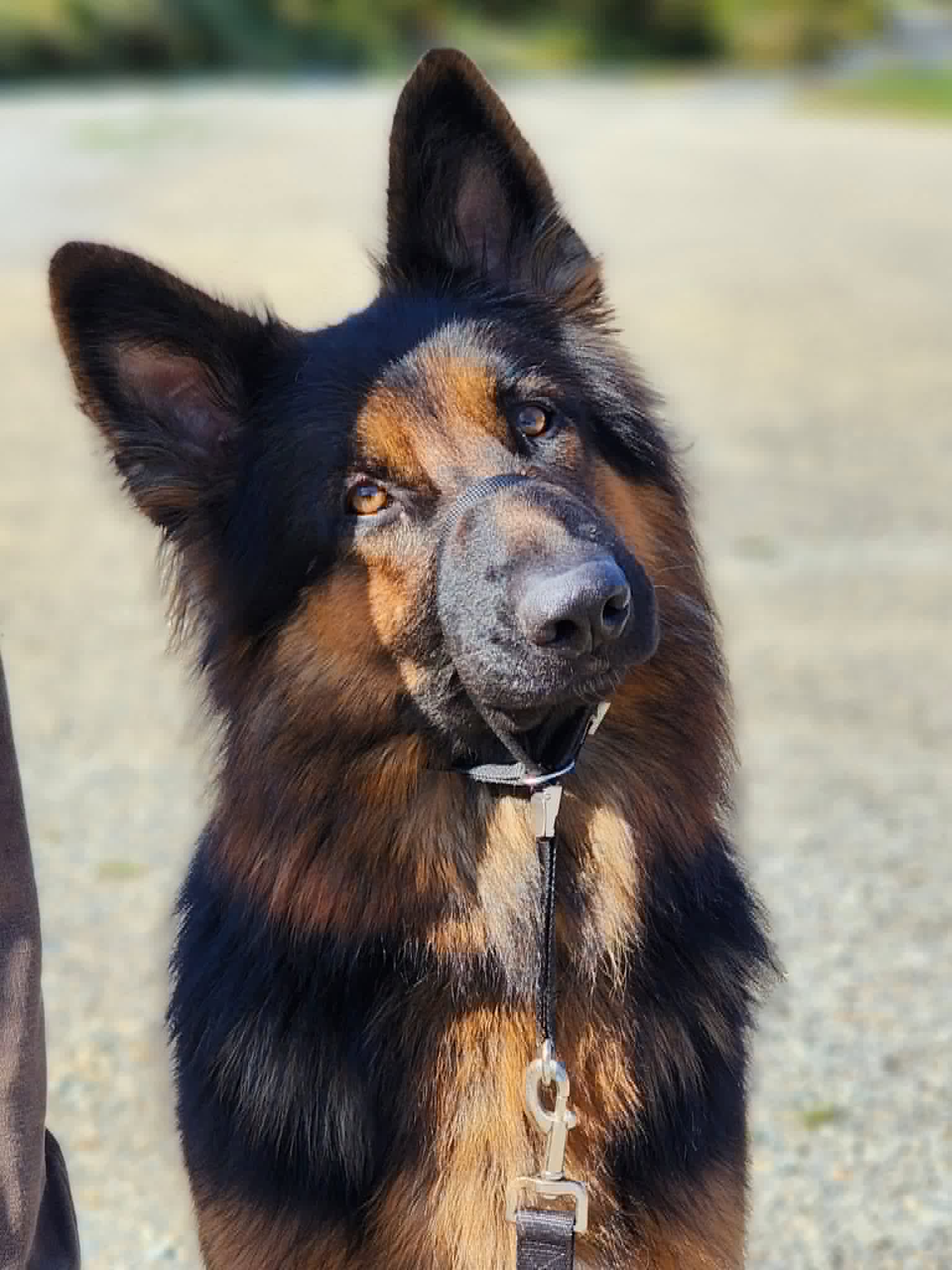
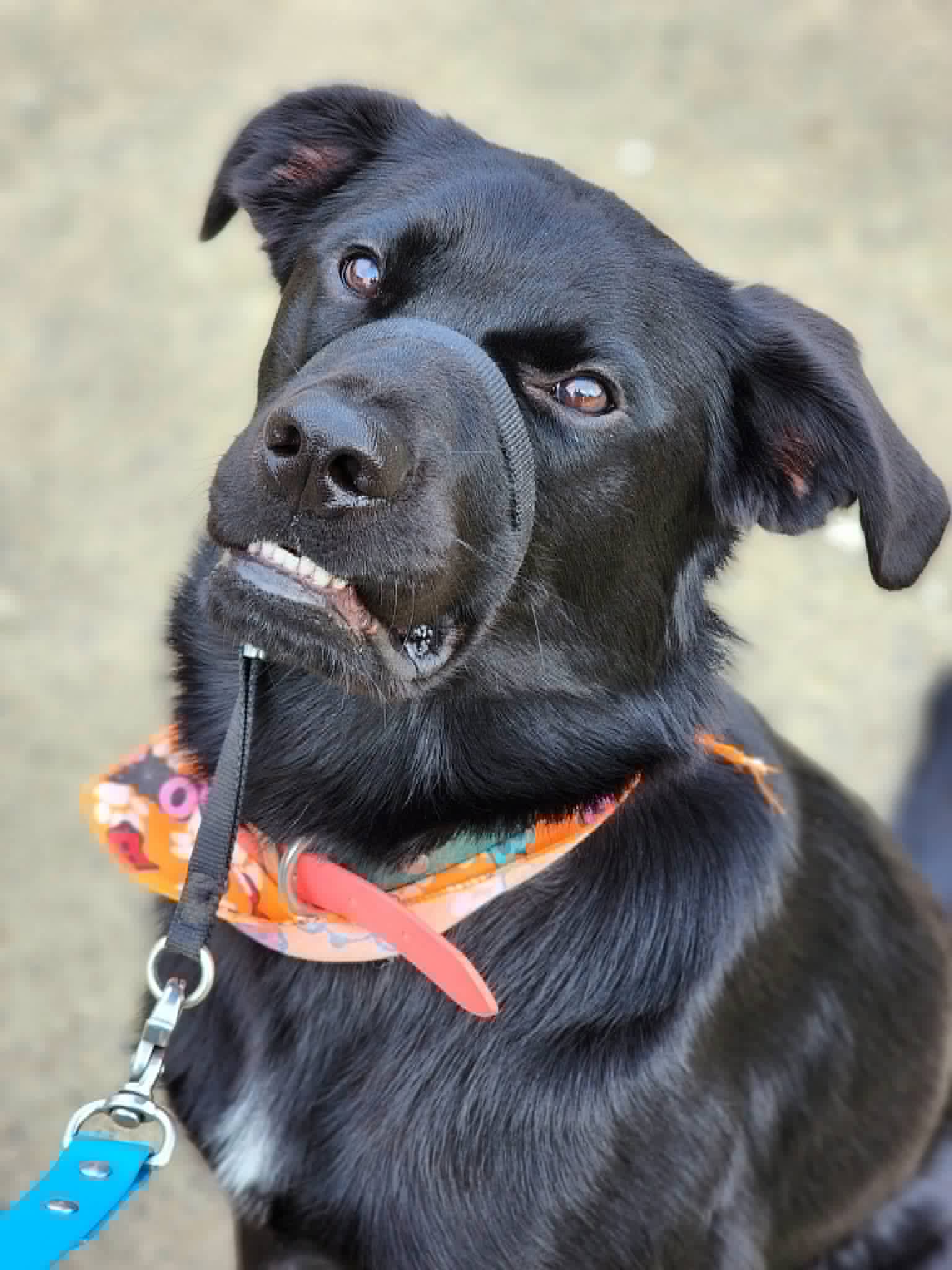
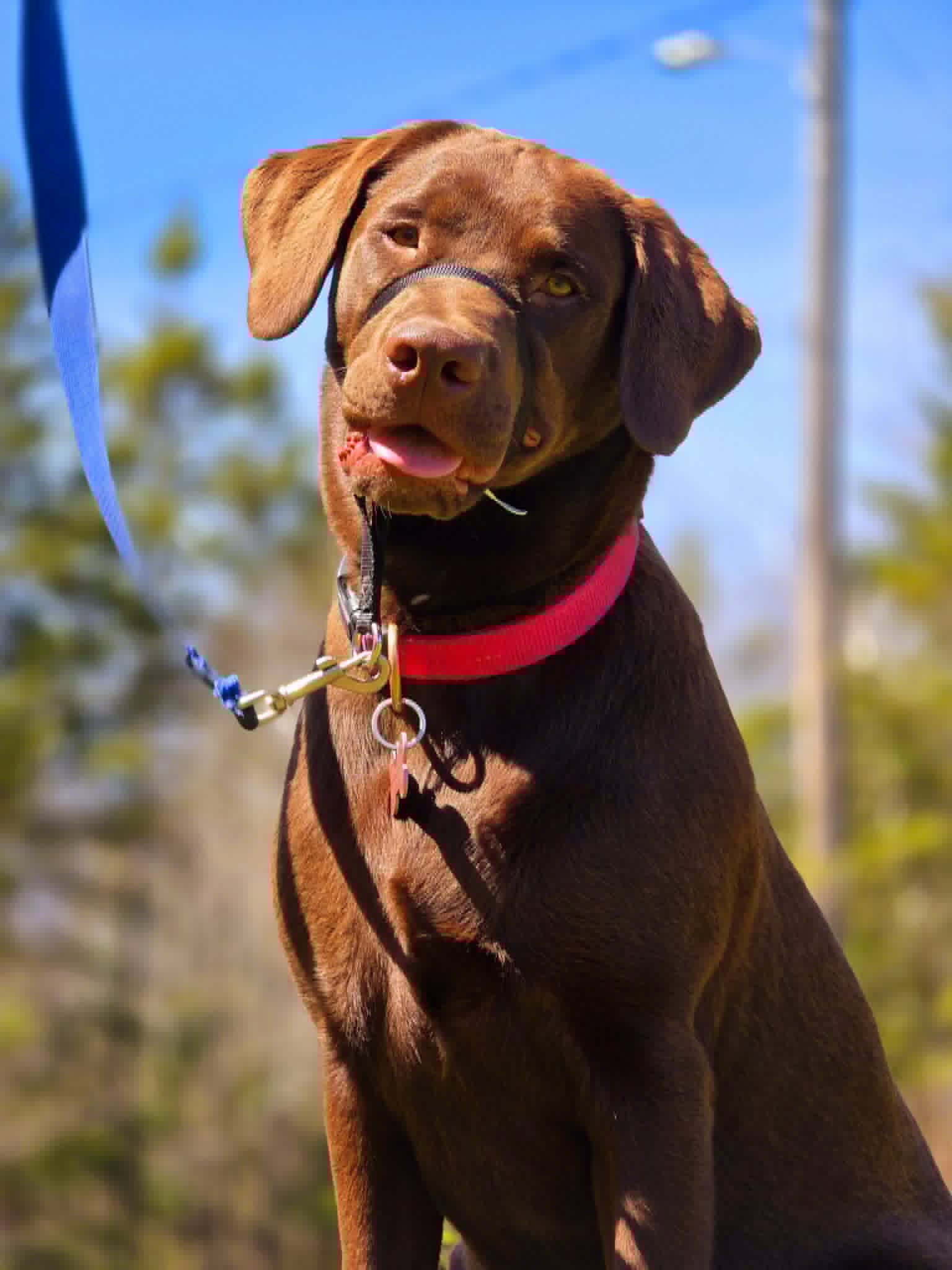
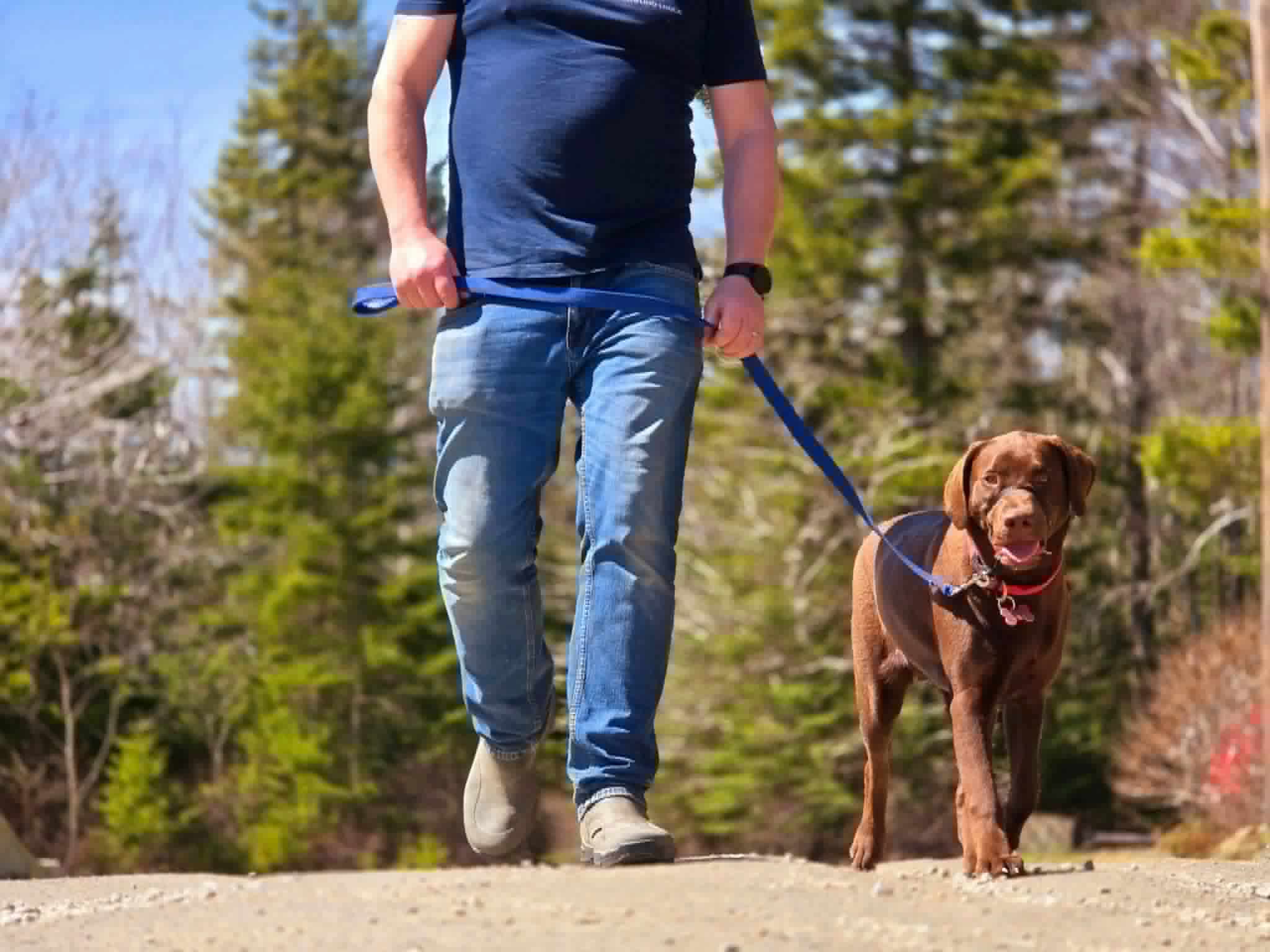
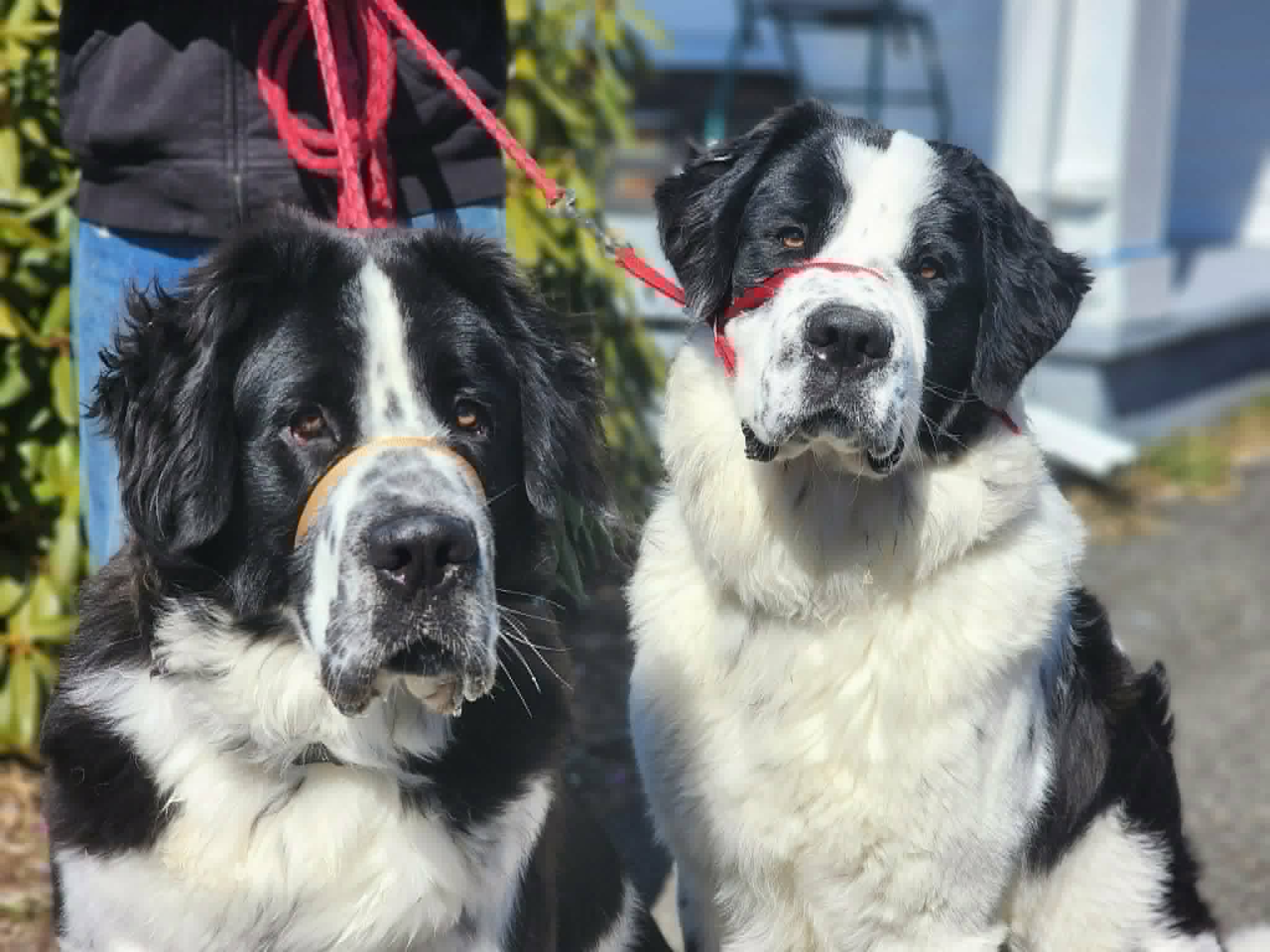
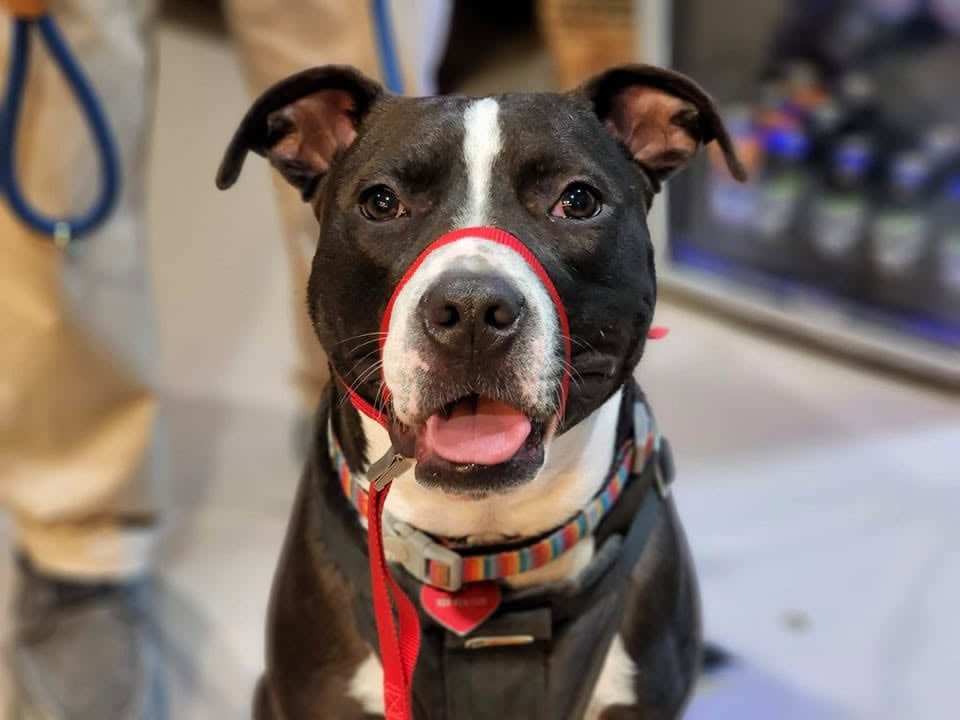
We sell them right here at Dogwood Lodge.
Getting the right fit and introducing it correctly are so important. We love helping our clients find methods that make life with their pets happier and less stressful. Stop by the front desk or contact us today—our team will be happy to help get you and your pup set up for success.
Questions about training tools or techniques?
Ask JK—our AI dog care advisor—or reach out directly. We’re always happy to help.

Ready to book?
Our booking is handled securely through KennelBooker.